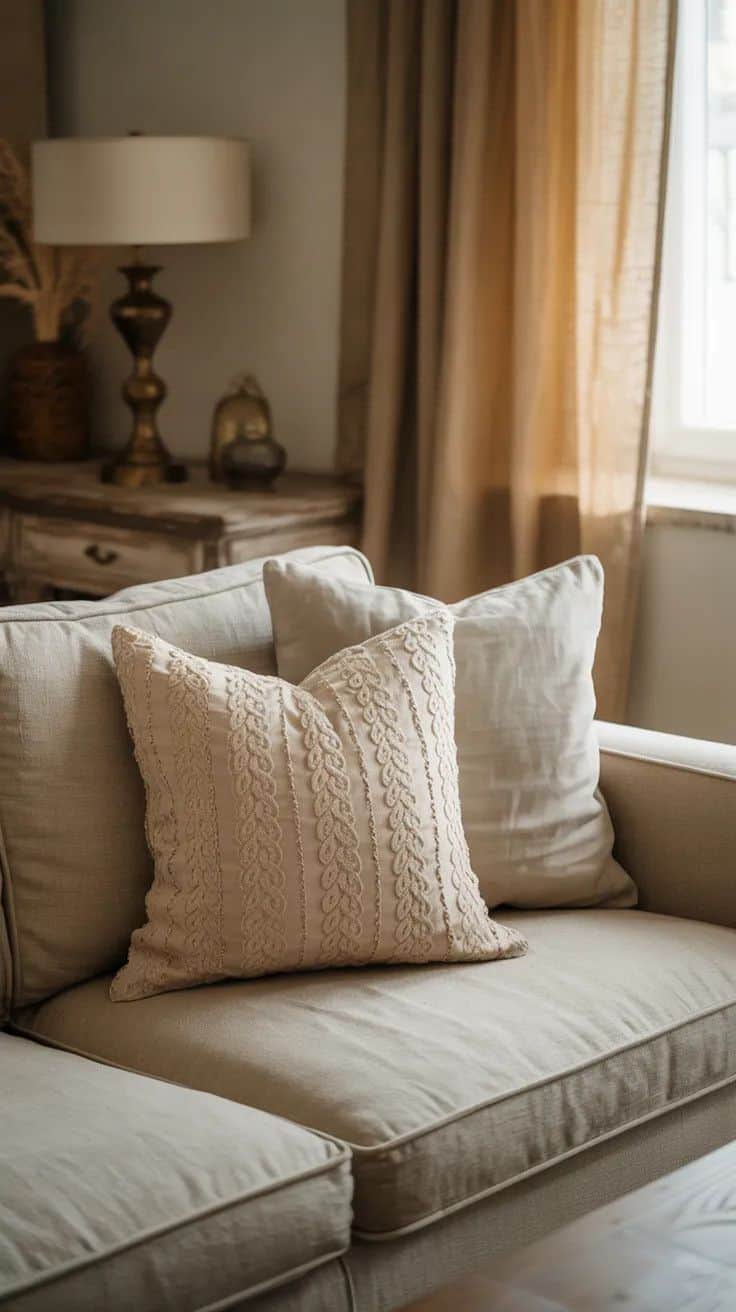
Quick answer: French country aesthetic ideas center on mixing rustic textures like distressed wood and linen with soft, muted colors and vintage accents. Think layered textiles, antique furniture, warm neutrals, toile patterns, copper cookware, and fresh flowers from the garden. The look is elegant without trying too hard, cozy without feeling cluttered.
There is something about the French country aesthetic that just makes a room feel like it has a story. Not a loud, showy one. More like a quiet Saturday morning in a stone farmhouse somewhere outside Avignon, with coffee on the counter and sunlight warming the linen curtains.
You do not need to live in Provence to pull off this look. The french country aesthetic ideas in this post work in apartments, suburban homes, and anywhere else you want that relaxed, lived-in elegance. I have been obsessed with this style for years and, after way too many hours scrolling Pinterest and flipping through old Maison magazines, I have narrowed it down to the 10 ideas that actually make a difference.
Some of these are bigger projects. Others take about fifteen minutes. All of them will make your space feel like it belongs in the south of France, even if you are actually in Ohio.
1. Layer Neutral Linen Textiles Everywhere
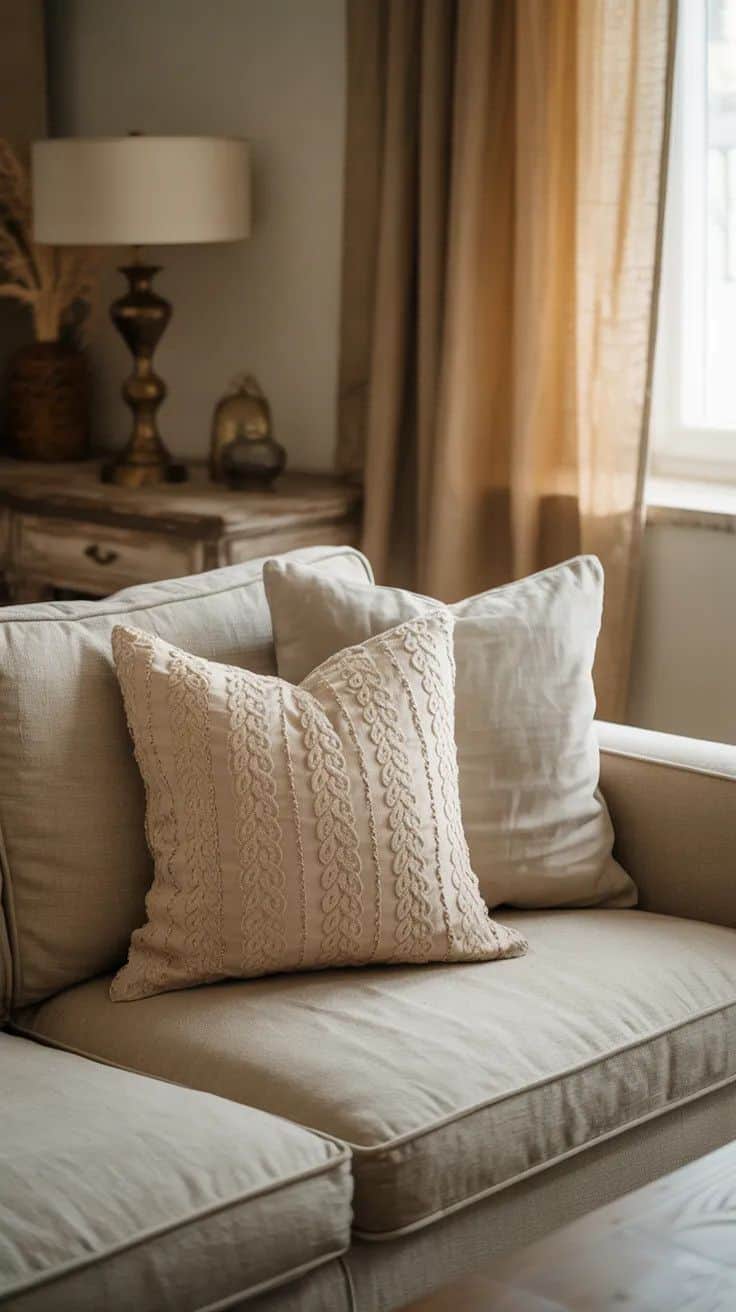
Linen is the backbone of french country decor ideas, and for good reason. It wrinkles beautifully (yes, that is a compliment), it softens with every wash, and it looks expensive without costing a fortune. The key is to layer it. A linen tablecloth over a wooden dining table, linen throw pillows on the sofa, linen curtains pooling slightly on the floor.
Stick to neutral tones: oatmeal, flax, cream, soft ivory. You want the kind of palette that makes you think of bread dough and old parchment. If your room feels flat, add one linen piece in a muted sage or dusty blue. That is the Provencal touch right there.
I always tell people to start with curtains. Swap out whatever you have for unlined linen panels in a warm cream. The way they filter light changes the entire mood of a room. Suddenly everything looks softer and more intentional.
2. Bring In Distressed and Antique Wood Furniture

French country style decorating lives and dies by its furniture, and it should look like it has been around for a while. That does not mean everything needs to be an actual antique (your bank account will thank you for this clarification). It means choosing pieces with visible wood grain, slightly chipped paint, rounded edges, and that general “someone’s grandmother loved this” energy.
A farmhouse dining table is probably the single best investment for this look. Pick one in oak or pine with turned legs and enough surface area to fit a big ceramic bowl of fruit in the center. Pair it with mismatched chairs if you can. Two wicker, two painted wood, something like that. The inconsistency is what makes it feel collected over time, not bought in one shopping trip.
For bedrooms, look for a weathered wood headboard or a painted armoire with cabriolet legs. Nightstands do not need to match. One can be a small side table, the other an old wooden stool. This is not a showroom. It is a home.
3. Use a Soft, Muted Color Palette Inspired by Provence

The french country color palette is not bright. It is not bold. It is the kind of washed-out, sun-faded softness you would find on the shutters of a two-hundred-year-old house. Think warm whites, creamy beiges, pale sage greens, dusty blues that remind you of Mediterranean water on an overcast day, and the occasional muted rose or lavender.
Start with your walls. A warm white or very light cream works as the foundation. Then bring in your accent colors through textiles, pottery, and accessories. Soft blue and white is the most classic French country pairing, and honestly it is hard to go wrong with it. A blue and white toile pillow on a cream sofa does about 80% of the work for you.
Avoid anything neon, anything too saturated, or anything that looks like it came from a trend cycle that started six months ago. French country is timeless precisely because it does not chase trends. The palette should feel like it could work in 1924 or 2026.
4. Add Toile de Jouy Patterns for Instant French Charm

If one fabric screams “French country,” it is toile de Jouy. Those scenic pastoral prints, usually in a single color on a cream or white background, have been showing up in French homes since the 1700s. And they are not going anywhere.
The trick with toile is restraint. Use it on one or two things in a room, not on everything. A toile duvet cover with solid linen pillows looks gorgeous. Toile curtains with a simple wooden bed frame? Perfect. Toile on the curtains AND the bedding AND the wallpaper? That is where it tips into costume territory.
Blue toile is the most traditional, but I have a soft spot for red toile in a kitchen or breakfast nook. Black toile on white is more modern and works surprisingly well if the rest of the room is minimal. Pick your one toile moment per room and let it be the star.
5. Display Fresh Flowers and Dried Lavender

No french country home decor scheme is complete without flowers. This is non-negotiable. But we are not talking about those stiff, pre-arranged bouquets from the grocery store. We are talking about loose, slightly wild arrangements that look like you just walked through a field and grabbed what caught your eye.
Hydrangeas are the go-to (they dry beautifully too, so you get double the life out of them). Peonies, ranunculus, garden roses, and wildflowers all work perfectly. Arrange them in a simple ceramic pitcher, a glass jar, or a copper vessel. Skip the crystal vase. Too formal.
And then there is lavender. Dried lavender bundles tied with twine and placed in a terra cotta pot or hung from a hook in the kitchen will make your home smell like Provence without a single candle. It is one of those tiny details that pulls the entire aesthetic together.
6. Incorporate Wrought Iron and Aged Metal Accents

Metal accents in a French country space should look like they have some age on them. Wrought iron is the classic choice: curtain rods, pot racks, stair railings, candle holders. It adds structure and contrast to all those soft linens and pale woods without feeling cold or industrial.
Aged brass is another winner. Think drawer pulls, kitchen lamps, towel rings, and picture frames. The finish should be slightly tarnished or brushed, not shiny and new. If you buy something brand new in polished brass, leave it out for a few weeks and let it develop a patina. Or cheat and buy it pre-aged from an antique shop.
Copper cookware deserves a special mention here. Hanging copper pots and pans on a wall rack in the kitchen is one of the most iconic French country moves. It is functional, beautiful, and adds warmth to an otherwise neutral kitchen. Even two or four copper pieces can make a huge difference.
7. Hang Vintage Art and Ornate Mirrors

French country walls should not be bare, but they also should not be gallery-wall chaotic. The sweet spot is a few well-chosen pieces that feel like they have been there forever. Vintage oil paintings of countryside scenes, florals, or still lifes are ideal. You can find affordable ones at flea markets, estate sales, or online vintage shops. They do not need to be masterpieces. They just need to look like someone actually picked them because they loved them.
Ornate mirrors are equally important. A large gilded mirror above a fireplace mantel or leaning against a wall in the bedroom adds instant elegance. The frame should be detailed: scrollwork, carved florals, gold leaf that is slightly worn. The contrast between a fancy frame and a casual room is exactly what makes gallery wall arrangements in French country homes feel so curated.
One tip: mix your frames. A gold ornate mirror next to a simple wooden-framed botanical print creates visual interest without being overwhelming.
8. Style Open Shelving with Ceramics and Stoneware

Open shelving is one of the easiest ways to bring the french country aesthetic into a kitchen. But the secret is what goes on those shelves. Skip the matching dinnerware set. Instead, fill them with a mix of handmade ceramics, white stoneware, vintage plates with subtle patterns, and the occasional glass jar filled with dried herbs or pasta.
Group items in odd numbers (not three, go for five or seven). Stack plates on their sides for visual variety. Tuck a small ceramic vase with a sprig of dried eucalyptus next to your coffee mugs. The goal is to make it look artfully casual, like you just happen to have beautiful taste and also need somewhere to keep your dishes.
If you have space above kitchen cabinets, use that real estate too. A row of woven baskets or antique stoneware crocks up top completes the look and draws the eye upward.
9. Add Architectural Details Like Wainscoting and Exposed Beams

If you really want to commit to the modern french country design look, architectural details make the biggest impact. Wainscoting on the lower half of dining room or bedroom walls adds texture and depth without overwhelming the space. Paint it the same warm white as the rest of the wall for a seamless, sophisticated effect.
Exposed ceiling beams are the dream, but obviously that depends on your home. If you already have them, stain them a warm honey or leave them raw. If you do not, faux wood beams are surprisingly convincing and way less work than the real thing. They instantly make a room feel like a converted farmhouse.
Crown molding, arched doorways, and plaster walls with visible texture all contribute to that old-world feel. Even adding simple board and batten to a bathroom wall can bring in that French country character. These details work because they give the room bones, and good bones are what separate a decorated room from a designed one.
10. Create a Cozy French Country Coffee or Bar Corner

Every French country home needs a corner that invites you to slow down. A small coffee corner on a kitchen counter or a beverage bar set up on an antique sideboard does exactly that. It is practical and it is pretty, which is kind of the whole French country philosophy in two words.
Start with a base piece: a wooden tray, a marble cutting board, or a rustic wooden shelf. Add your coffee maker or French press (a copper or ceramic one if you want extra points). Stack some ceramic mugs nearby. Add a small pot of lavender, a sugar jar in stoneware, and maybe a tiny framed print leaning against the wall.
For a bar corner, think wine bottles in a wrought iron rack, mismatched vintage glasses, a carafe, and a small wooden cheese board. The whole setup should look inviting enough that guests wander over to it naturally. That is the test. If people gravitate toward it, you nailed it.
Key Takeaways:
- Start with neutral linen textiles and layer them for warmth and texture
- Choose furniture with visible age, distressing, and natural wood grain
- Keep your color palette soft and muted, inspired by the Provencal countryside
- Use toile de Jouy sparingly for maximum impact in one focal piece per room
- Fresh flowers, dried lavender, and copper accents bring authenticity
- Mix wrought iron with aged brass for contrast against soft fabrics
- Vintage art and ornate mirrors give walls personality without clutter
- Open shelving with handmade ceramics turns your kitchen into a French farmhouse
- Architectural details like wainscoting and beams give rooms character
- A dedicated coffee or bar corner ties the whole aesthetic together
Frequently Asked Questions
What is the French country aesthetic?
The French country aesthetic is a decorating style inspired by rural homes in the French countryside, especially Provence. It combines rustic elements like distressed wood, natural stone, and wrought iron with elegant touches like gilded mirrors, floral patterns, and fine linen. The overall feel is warm, lived-in, and effortlessly sophisticated. Colors tend to be soft and muted, furniture looks collected over time, and every room feels like it has a story to tell.
How do I get French country style on a budget?
Shop secondhand for furniture at thrift stores, estate sales, and online marketplaces. Distressed and antique-looking pieces are often cheaper than new ones. Swap out small details like cabinet hardware for aged brass knobs. Use linen curtains (IKEA sells affordable options). Add dried flowers instead of fresh ones for longer-lasting arrangements. Paint existing furniture in soft white or cream and lightly sand the edges for an instant French country upgrade.
What is the difference between French country and farmhouse style?
French country is more refined and layered. While both styles use natural materials, distressed finishes, and neutral colors, French country leans toward ornate details like gilded mirrors, toile fabrics, and elegant curved furniture legs. Farmhouse style tends to be more minimal and rugged, with straighter lines and fewer decorative flourishes. French country also incorporates more color through soft pastels and floral patterns, while farmhouse typically stays in a strict black, white, and wood palette.
Can you mix French country style with modern decor?
Absolutely, and a lot of designers actually prefer this approach. The trick is to keep the bones French country (neutral palette, natural materials, vintage accents) and introduce modern pieces selectively. A sleek contemporary light fixture above a rustic dining table works beautifully. Clean-lined upholstered chairs next to an ornate antique sideboard create a nice tension. The key is balance: too much modern and you lose the charm, too little and the room feels like a museum.
Final Thoughts
French country aesthetic ideas are really about one thing: making your home feel like a place where life happens gracefully. Not perfectly. Gracefully. The wrinkled linen, the slightly chipped paint on an old armoire, the wildflowers drooping a little in their ceramic pitcher. All of it is part of the charm.
You do not have to do all ten of these at once. Pick two or four that resonate with you and start there. Swap your curtains for linen. Find a vintage mirror at a flea market. Put some dried lavender on the kitchen counter. Small changes add up fast, and before you know it, your space will have that effortless Provencal warmth that never goes out of style.
If you are also working on other rooms in your home, check out our guide to minimalist decor ideas for a different but equally intentional approach to styling your space.
PakarPBN
A Private Blog Network (PBN) is a collection of websites that are controlled by a single individual or organization and used primarily to build backlinks to a “money site” in order to influence its ranking in search engines such as Google. The core idea behind a PBN is based on the importance of backlinks in Google’s ranking algorithm. Since Google views backlinks as signals of authority and trust, some website owners attempt to artificially create these signals through a controlled network of sites.
In a typical PBN setup, the owner acquires expired or aged domains that already have existing authority, backlinks, and history. These domains are rebuilt with new content and hosted separately, often using different IP addresses, hosting providers, themes, and ownership details to make them appear unrelated. Within the content published on these sites, links are strategically placed that point to the main website the owner wants to rank higher. By doing this, the owner attempts to pass link equity (also known as “link juice”) from the PBN sites to the target website.
The purpose of a PBN is to give the impression that the target website is naturally earning links from multiple independent sources. If done effectively, this can temporarily improve keyword rankings, increase organic visibility, and drive more traffic from search results.